Businesses & Brands
Revitalize & Revive Digital Identity
Jobs | Openings | Work Culture
Request a Custom Growth Proposal
Talk to a Digital Doctor
Request a Custom Growth Proposal
Serving 40+ Countries
Book a free strategy consultation with experts
Every academic begins with knowledge. But in 2026, knowledge alone does not establish authority. It must be visible in Columbus, credible, and reliable. Academic reputation influences peer recognition, institutional confidence, funding opportunities, and long-term scholarly authority. When academic presence lacks structure, perception fragments and trust weakens. This portfolio outlines how academic personal branding is built with discipline, Ohio, clarity, and accountability so authority leads recognition and scholarly identity remains stable across career stages.
Does Here?
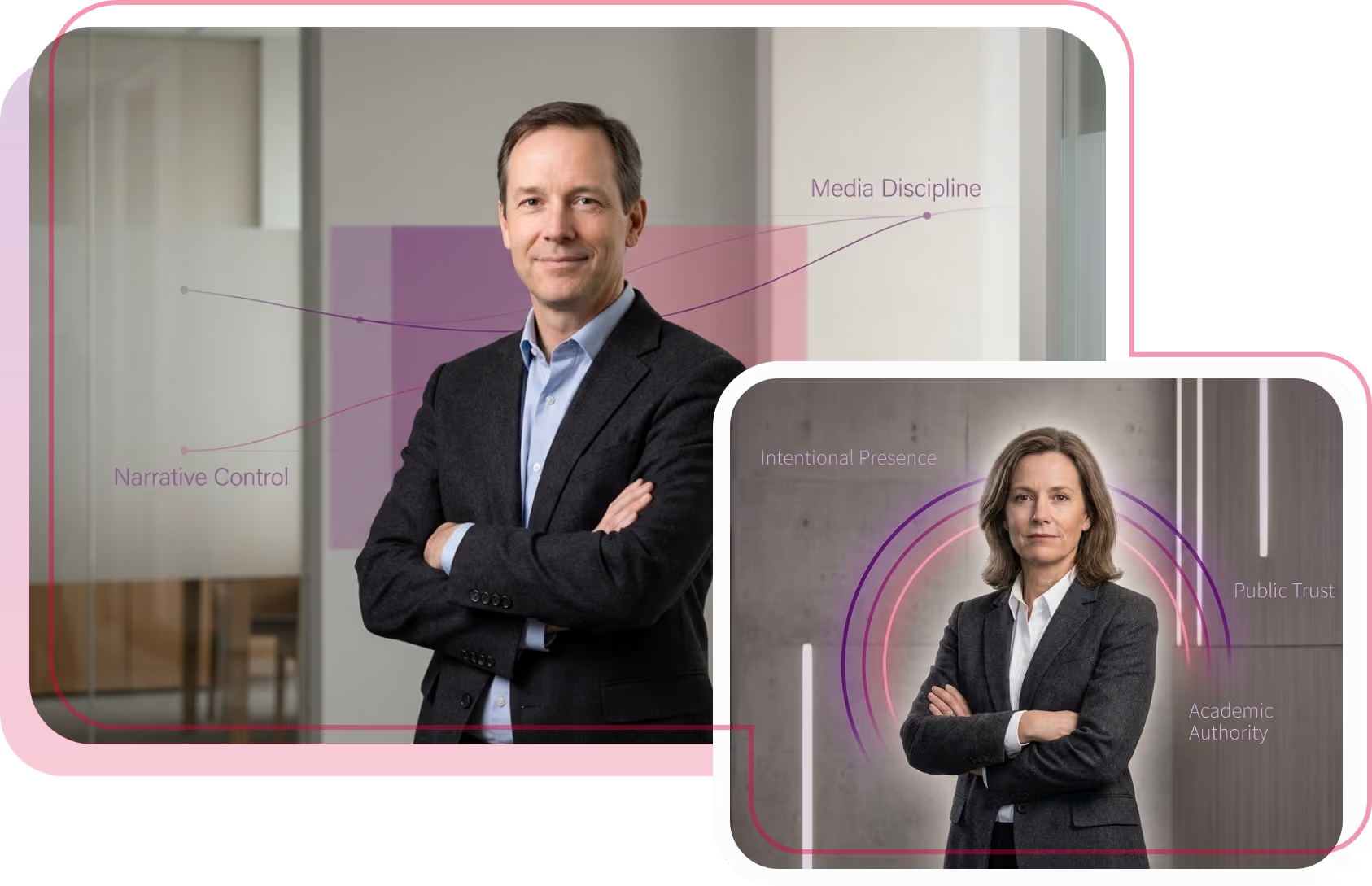
Academic positioning is structured so communication tone, public presence, and messaging withstand scrutiny from institutions, peers, funding bodies, and public audiences across United States.
Scholar identity is aligned with expertise and responsibility so reputation becomes a confidence trigger during collaborations, grants, citations, and academic introductions in 2026.
Academic exposure is governed carefully so appearances reinforce authority, ensuring visibility strengthens trust rather than weakening scholarly credibility in Columbus.
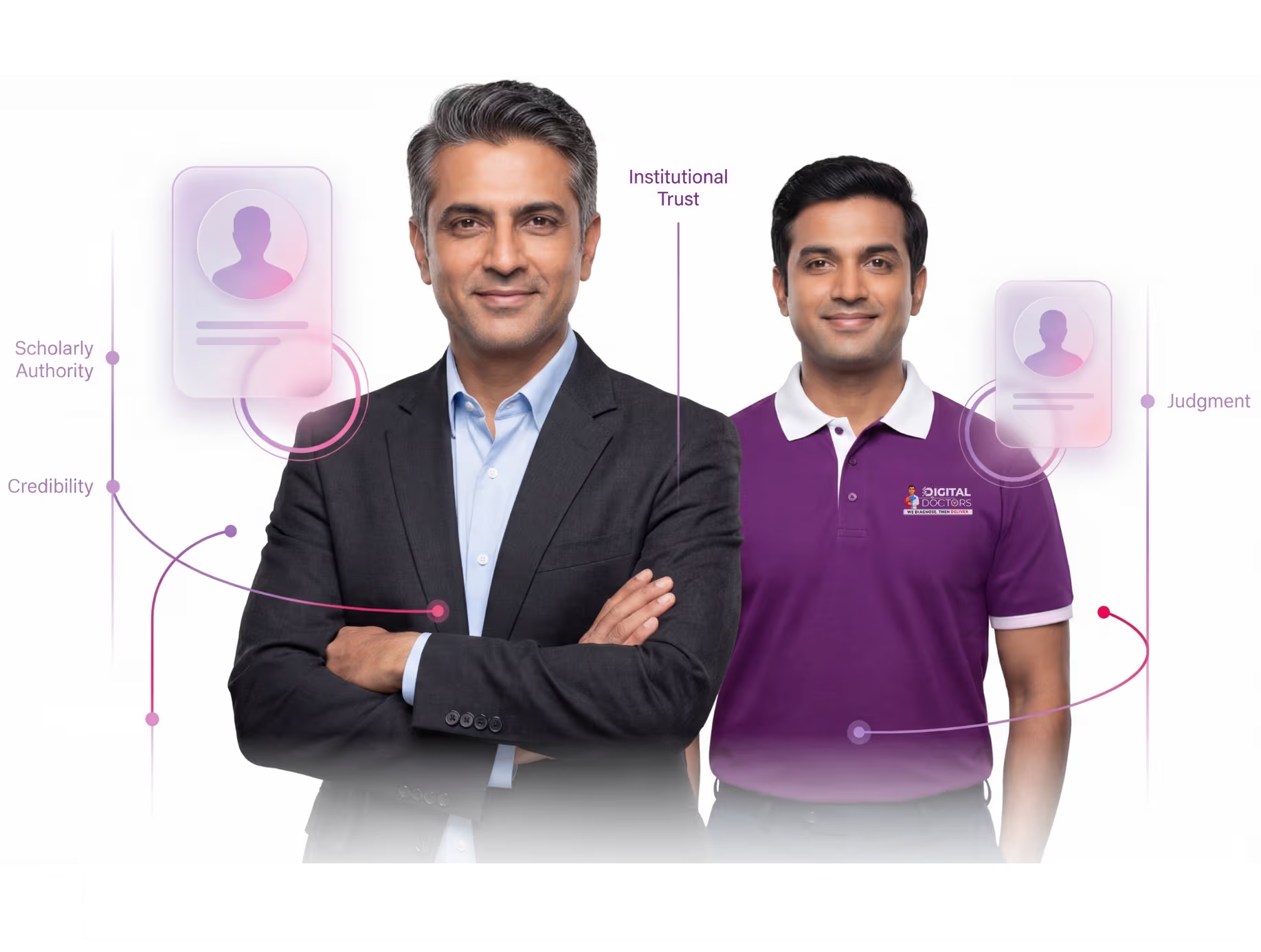
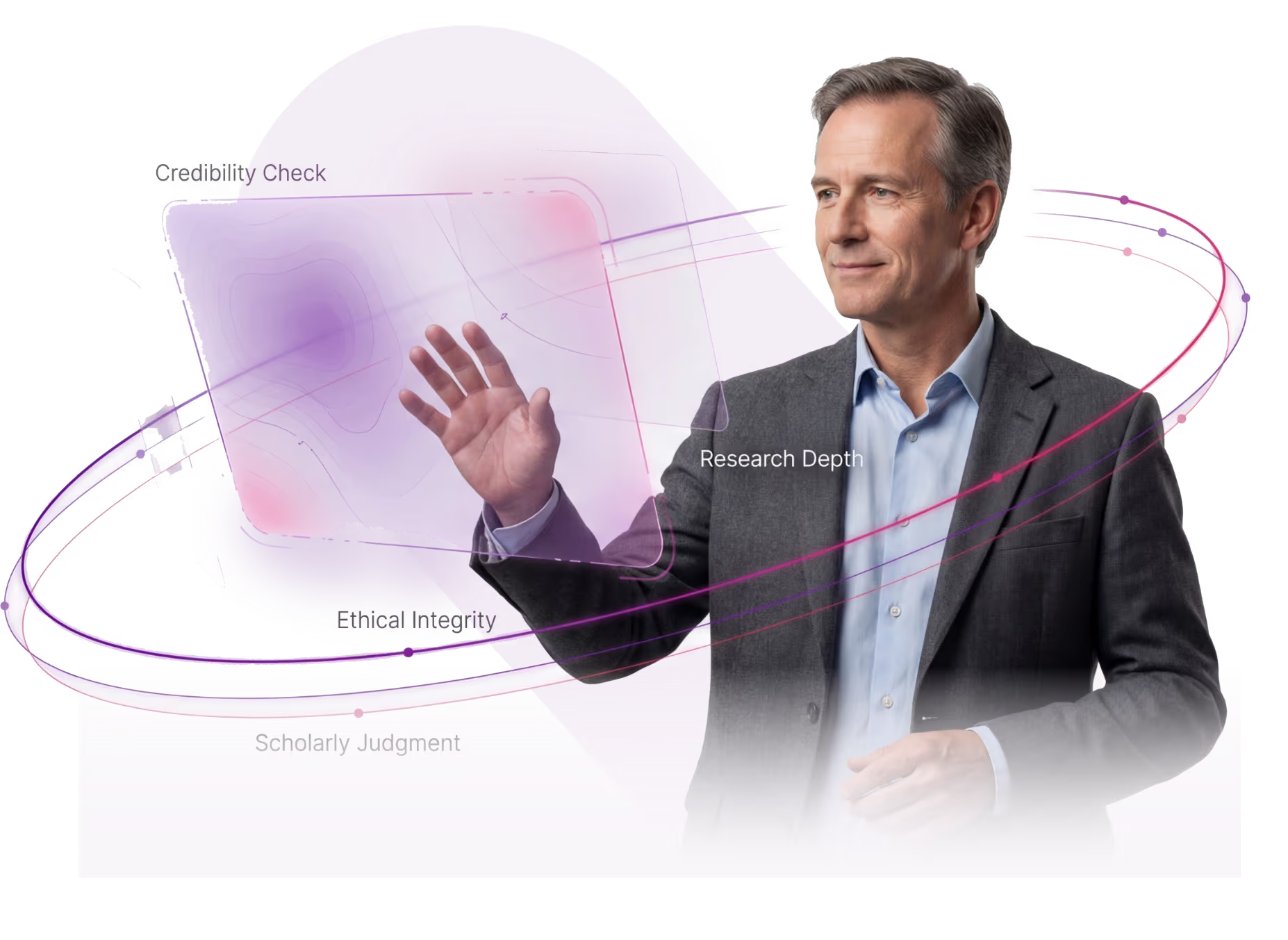
Academics operate under constant evaluation across research depth, ethical integrity, communication clarity, and intellectual contribution. Expectations rise while tolerance for inconsistency declines. With a legacy of 12+ years shaping personal branding systems across credibility-driven professions, Digital Doctors apply a credibility-first approach before any academic positioning begins. Recognised among leading academic personal branding agencies in Columbus for 2026, research narrative depth, LinkedIn authority structure, publication visibility, conference positioning, citation relevance, and thought leadership consistency are assessed. Each element is reviewed to reduce perception risk, strengthen trust signals, and support long-term academic authority across career stages in Ohio.
Academic personal branding is handled as reputation stewardship, not promotion. From early-career researchers to senior scholars, presence is strengthened through diagnosis, perception assessment, and authority alignment. Each engagement evaluates how expertise is interpreted, how credibility is formed, and how visibility influences trust. Personal branding for academics is treated as a long-term responsibility, ensuring scholarly presence reflects judgment, consistency, and accountability rather than attention across markets connected to United States.
Authority structured to support teaching credibility, research integrity, and institutional trust in 2026.
Expertise positioned to influence peer confidence and publication credibility across Ohio.
Visibility aligned with rigor, neutrality, and intellectual responsibility in United States.
Professional authority built to support academic progression and research legitimacy.
Credibility positioned through evidence-led communication and ethical responsibility in Columbus.
Trust established through disciplined narrative framing and scholarly clarity.
Authority aligned with methodological rigor and long-term contribution.
Credential relevance reinforced to strengthen institutional and learner trust in 2026.
Authority managed across regions without fragmentation or dilution.
Knowledge communicated with seriousness, restraint, and long-term intent.
Trust strengthens when scholarship demonstrates consistency. Across 12+ years, academic identities have been positioned through credibility-led personal branding frameworks. Thousands of scholars across disciplines have strengthened authority clarity, trust perception, and professional discipline. With 10,000+ media placements supporting expert narratives across 25+ markets, visibility has been aligned with seriousness rather than noise. These outcomes reflect how structured personal branding supports long-term academic authority and institutional confidence in 2026.
Clear authority positioning improves trust during collaborations, grants, and appointments.
Structured branding minimizes misinterpretation across audiences, protecting academic credibility during career phases.
Peers and institutions recognise academic expertise faster due to consistent positioning.
Reputation systems ensure credibility compounds steadily rather than fluctuating with visibility cycles.
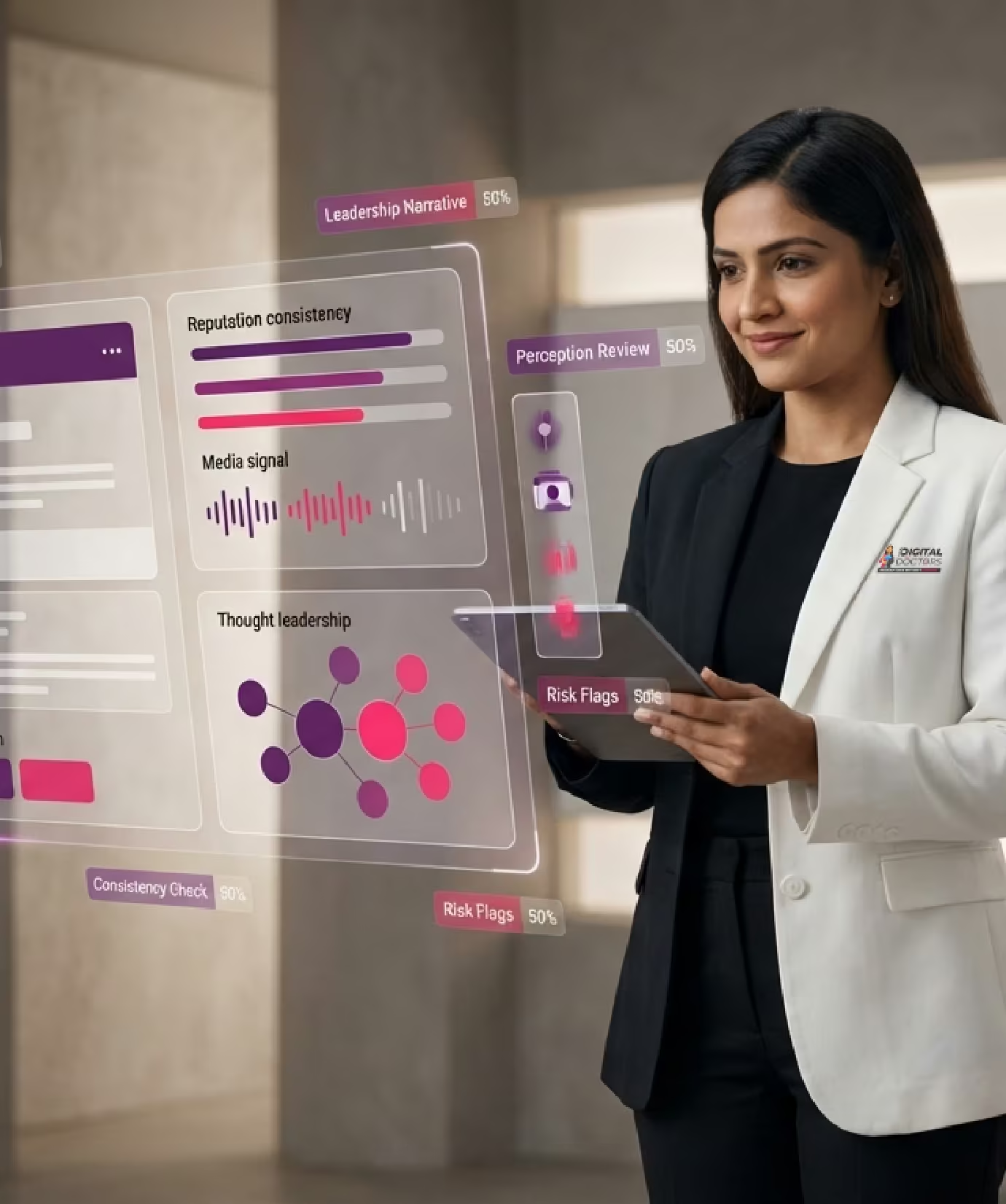
Before any positioning is shaped, an academic’s credibility environment is assessed. In 2026, perception gaps introduce long-term trust risk. Research narrative, LinkedIn presence, publication signals, thought leadership clarity, and reputation consistency are reviewed to understand how authority is interpreted in Columbus.
Public messaging, tone, and alignment between expertise and responsibility are decoded. This ensures academic intent is interpreted accurately across professional environments connected to Ohio.
Platforms, publications, and appearances are mapped to identify which signals strengthen credibility. LinkedIn, media, conferences, recognition relevance, and thought leadership outputs are evaluated across markets influenced by United States.
Academic profiles are refined, narratives aligned, visibility governed, and expertise placed with intent. Each action reinforces judgment, clarity, and scholarly discipline while supporting long-term authority in 2026.
Consistency is monitored and perception shifts are managed as academic responsibilities evolve. Governance protects authority during advancement, scrutiny, and institutional transitions across regions connected to Ohio.
Academic personal branding begins with diagnosis. Disciplinary expectations, credibility risks, and peer perception are evaluated before visibility is shaped. In ecosystems influenced by United States, early perception often determines funding, collaboration, and long-term authority. The strategic foundation defines narrative clarity, authority boundaries, and reputation priorities so scholarly presence reflects seriousness and consistency rather than exposure.
Academic stories are structured to communicate contribution, responsibility, and authority maturity without dilution, supporting confidence in 2026.
Audits identify perception breaks across profiles, publications, and digital presence before visibility is scaled in Columbus.
Scholarly identity is aligned with ethical and institutional realities so credibility remains intact across decisions in Ohio.
LinkedIn functions as a scholarly identity long before formal engagement. Expertise judgment, seriousness, and trust are assessed through profile structure and communication discipline. Academics are positioned as recognised thought leaders through structured LinkedIn management. Ideas are shaped into clear viewpoints, profiles communicate authority, and networks grow with intent. Positioned within the strategy as an academic LinkedIn personal branding authority in Columbus for 2026, scholarly narratives are refined so presence signals clarity before research, collaboration, or institutional decisions in Ohio.
Profiles are rebuilt so scholarly depth, responsibility, and credibility are immediately visible.
Content reflects academic thinking and intellectual contribution rather than frequency, supporting long-term trust.
Narratives remain stable during research cycles, appointments, and academic transitions across United States.
Institutions and collaborators research an academic’s background before committing trust, funding, or partnership. Online presence becomes the first credibility filter. Media features, podcasts, and academic events are structured to reinforce scholarly authority rather than chase exposure. Positioned within the strategy as an academic PR and media positioning agency in Columbus, narratives are governed to protect trust and intellectual discipline. Across markets connected to United States, this approach ensures recognition is based on expertise and responsibility in 2026.
Articles and interviews reinforce scholarly seriousness without perception volatility.
Appearances are selected to signal depth, ethics, and academic credibility.
Academic appearances are filtered to strengthen authority with institutional and professional audiences in Ohio.
Authority weakens when exposure exceeds contribution. Ethical boundaries are applied to preserve trust under scrutiny. Reputation stewardship ensures scholarly presence remains consistent across decisions and environments. Structured safeguards protect academic reputation as a long-term asset across career cycles in 2026.
Exposure boundaries ensure authority is not compromised by unnecessary attention.
Scholarly cues remain aligned across platforms used in Columbus.
Credibility is protected across time, not moments, in United States.
Across 12+ years, credibility-first personal branding systems have supported academics across disciplines. Authority narratives are reinforced through 10,000+ media placements across 25+ markets. These outcomes reflect disciplined positioning, reputation governance, and scholarly clarity aligned with professional expectations in 2026.
Examine Proven Authority
Academic personal branding requires absolute trust. Scholarly narratives, positioning strategies, LinkedIn authority programs, PR placements, and thought leadership frameworks are never disclosed, shared, or reused. Client identities, outcomes, and private details remain protected. Experience gained across engagements in Columbus is applied with restraint, ensuring each strategy remains exclusive. Confidentiality remains non-negotiable across academic personal branding engagements in United States throughout 2026.
Case contexts exist to demonstrate how structured personal branding supports academic authority without excessive visibility, ranking claims, or promotional framing.
Academic reputation shapes institutional confidence, collaboration opportunities, and long-term scholarly impact. Digital Doctors design personal branding systems that safeguard credibility, strengthen authority, and support academic confidence with discretion and measured outcomes across regions connected to Ohio.